经济商业 Business & Economics
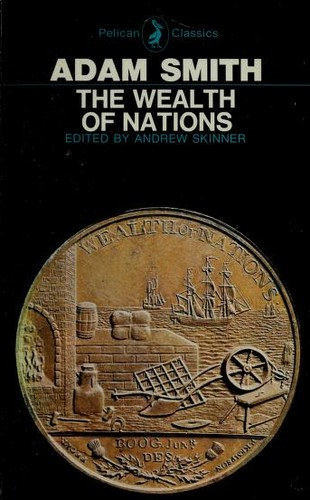
An Inquiry into the Nature and Causes of the Wealth of Nations - Adam Smith
Adam Smith's The Wealth of Nations was recognized as a landmark of human thought upon its publication in 1776. As the first scientific argument for the principles of political econ
登录后即可下载阅读
The Conquest of Bread
The Conquest of Bread, first published in 1892, is Peter Kropotkin's most influential work and a cornerstone of anarchist communist thought. In it, Kropotkin argues that the inequa
登录后即可下载阅读
The Theory of Moral Sentiments
The Theory of Moral Sentiments, published in 1759, is Adam Smith's first major work and a foundational text of moral philosophy. In it, Smith explores the origins of human moral ju
登录后即可下载阅读

The Forgotten Man, and Other Essays
The Index covers the four published volumes of the author's essays.--The coöperative commonwealth.--The forgotten man (1883)--Bibliography (p. [497]-518)--Index. Preface.--Protecti
登录后即可下载阅读
What Social Classes Owe to Each Other
Written more than fifty years ago in 1883, What Social Classes Owe to Each Other is even more pertinent today than at the time of its first publication. Then the arguments and "mov
登录后即可下载阅读
Principles of Political Economy / Abridged with Critical, Bibliographical, and Explanatory Notes, and a Sketch of the History of Political Economy
The appearance of a treatise like the present, on a subject on which so many works of merit already exist, may be thought to require some explanation. It might perhaps be sufficien
登录后即可下载阅读
What Is Free Trade? / An Adaptation of Frederic Bastiat's "Sophismes Éconimiques" Designed for the American Reader
Frédéric Bastiat's classic argument for free trade, presented as an engaging dialogue that exposes the fallacies of protectionism.
登录后即可下载阅读
Essays on Political Economy
A collection of essays by Frédéric Bastiat examining the principles of political economy, including the famous "broken window" fallacy.
登录后即可下载阅读
Economic Sophisms
Frédéric Bastiat's classic work on free trade economics, arguing against protectionist policies through logical reasoning and accessible examples.
登录后即可下载阅读
Political economy
An introductory text on political economy covering the principles of production, distribution, and consumption of wealth.
登录后即可下载阅读
The Principles of Economics, with Applications to Practical Problems
An introduction to economic principles and their practical application to contemporary problems, covering supply, demand, value, and distribution.
登录后即可下载阅读
The Condition of the Working-Class in England in 1844 / with a Preface written in 1892
Friedrich Engels' landmark study of the living and working conditions of the English working class in 1844, a foundational text of socialist analysis.
登录后即可下载阅读
Socialism, Utopian and Scientific
Friedrich Engels' classic summary of the scientific foundations of socialism, tracing the materialist conception of history and the development of capitalist society.
登录后即可下载阅读
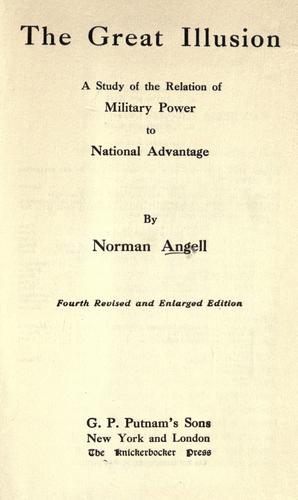
The Great Illusion / A Study of the Relation of Military Power to National Advantage
Norman Angell's influential argument that war between major powers had become economically futile, a key text in peace studies and international relations.
登录后即可下载阅读
Lombard Street: A Description of the Money Market
Walter Bagehot's classic analysis of the British banking system and money market, explaining the workings of finance and central banking.
登录后即可下载阅读
Progress and Poverty, Volumes I and II / An Inquiry into the Cause of Industrial Depressions and of Increase of Want with Increase of Wealth
Henry George's influential economic treatise examining why poverty persists alongside progress, and proposing solutions through land value taxation.
登录后即可下载阅读
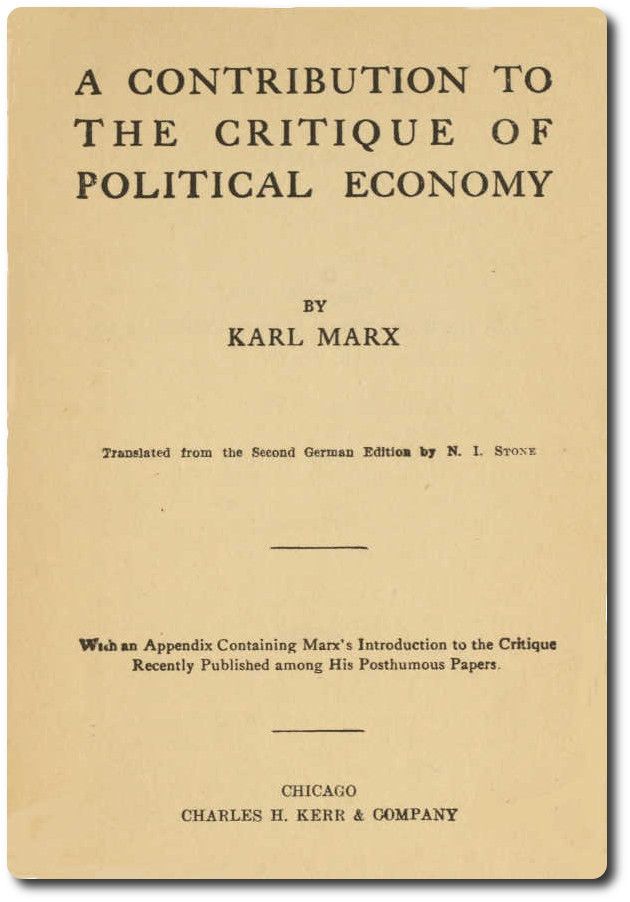
A Contribution to the Critique of Political Economy - Karl Marx
"Contributions to the Theory of Natural Selection" by Alfred Russel Wallace is a scientific publication written in the late 19th century. This collection comprises a series of essa
登录后即可下载阅读
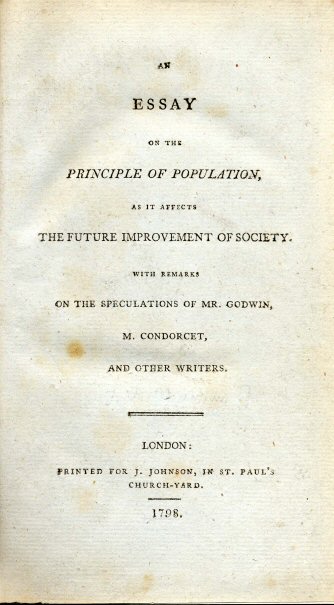
An Essay on the Principle of Population - Thomas Malthus
"Superstition and Force" by Henry Charles Lea is a historical account written in the late 19th century. The book explores the intersection of law, superstition, and societal norms
登录后即可下载阅读
An Inquiry into the Nature and Causes of the Wealth of Nations
Adam Smith's The Wealth of Nations was recognized as a landmark of human thought upon its publication in 1776. As the first scientific argument for the principles of political econ
登录后即可下载阅读
Capital, Volume 1 - Karl Marx
Das Kapital, Karl Marx's seminal work, is the book that above all others formed the twentieth century. From Kapital sprung the economic and political systems that at one time domin
登录后即可下载阅读