哲学社会 Philosophy & Society
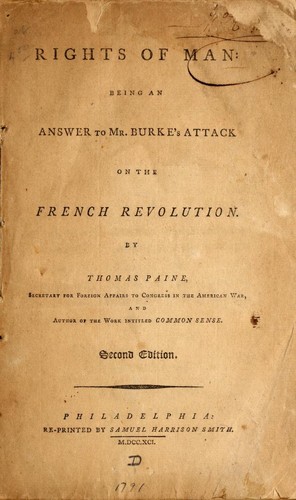
The Rights of Man
The Rights of Man, published in 1791, is Thomas Paine's impassioned defense of the French Revolution against Edmund Burke's Reflections on the Revolution in France. Paine argues th
登录后即可下载阅读
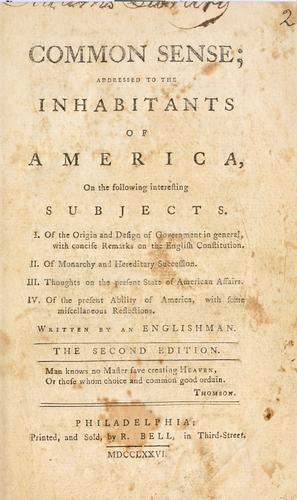
Common Sense
Common Sense, published anonymously in January 1776, was Thomas Paine's revolutionary pamphlet that galvanized American public opinion in favor of independence from Britain. Writte
登录后即可下载阅读

The Prince - Niccolo Machiavelli
The Prince is a 16th-century political treatise written by Italian diplomat and political theorist Niccolo Machiavelli. It describes the characteristics of power and how a ruler ca
登录后即可下载阅读
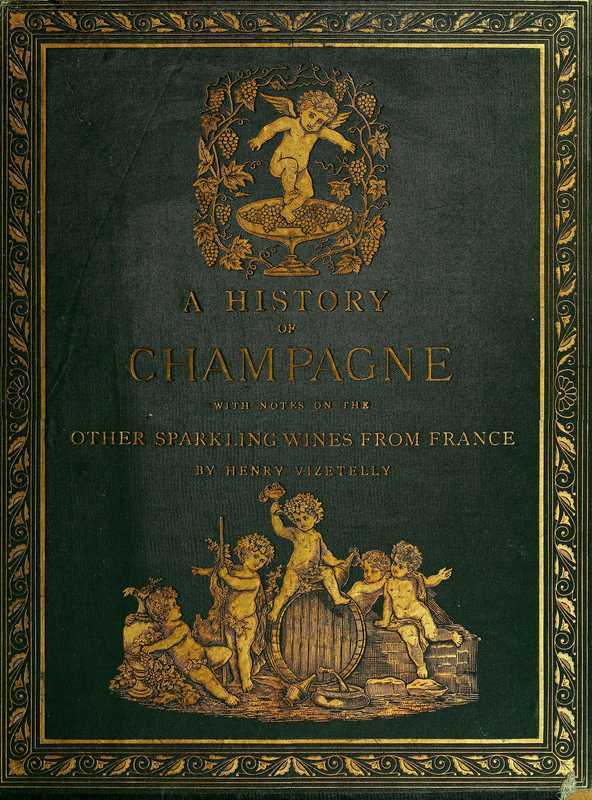
A History of Champagne, with Notes on the Other Sparkling Wines of France - Henry Vizetelly
"A History of Champagne, with Notes on the Other Sparkling Wines of France" by Henry Vizetelly is a historical account written in the late 19th century. This work delves into the r
登录后即可下载阅读
 From the Extinction of Plague - Charles Creighton.jpg)
A History of Epidemics in Britain, Volume 2 (of 2) From the Extinction of Plague - Charles Creighton
"A History of Epidemics in Britain, Volume 2" by Charles Creighton is a historical account that was written in the late 19th century. This volume serves as a continuation of the hi
登录后即可下载阅读

A Short History of Freethought Ancient and Modern, Volume 2 of 2 Third edition, - J. M. (John Macki
A Short History of Freethought is J.M. Robertson's comprehensive survey of freethought movements from ancient to modern times, documenting the struggle for intellectual freedom and
登录后即可下载阅读

A System of Logic, Ratiocinative and Inductive (Vol. 1 - John Stuart Mill
"A System of Logic, Ratiocinative and Inductive (Vol. 1 of 2)" by John Stuart Mill is a philosophical work published in 1843. This foundational text formulates Mill's five principl
登录后即可下载阅读
A Treatise Concerning the Principles of Human Knowledge -Berkeley
"A Treatise Concerning the Principles of Human Knowledge" by George Berkeley is a philosophical work published in 1710. Berkeley challenges John Locke's theories about perception a
登录后即可下载阅读
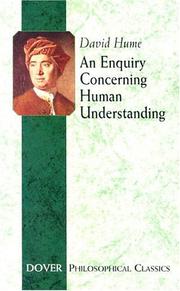
An Enquiry Concerning Human Understanding - David Hume
"Over a series of elegantly written, engaging essays, the Enquiry examines the experiential and psychological sources of meaning and knowledge, the foundations of reasoning about m
登录后即可下载阅读
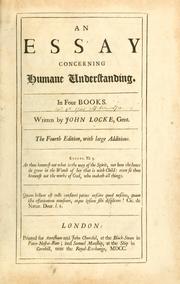
An Essay Concerning Human Understanding - John Locke
Locke's Essay ... (1690) withstood an onslaught by traditional theologians, for rejecting orthodox theology and the concept of innate ideas: as he suggested that God could make mat
登录后即可下载阅读

An Introduction to the History of Science - Walter Libby
"Calculus Made Easy" by Silvanus P. Thompson is a book on infinitesimal calculus originally published in 1910. Rather than relying on the traditional epsilon-delta definition of li
登录后即可下载阅读
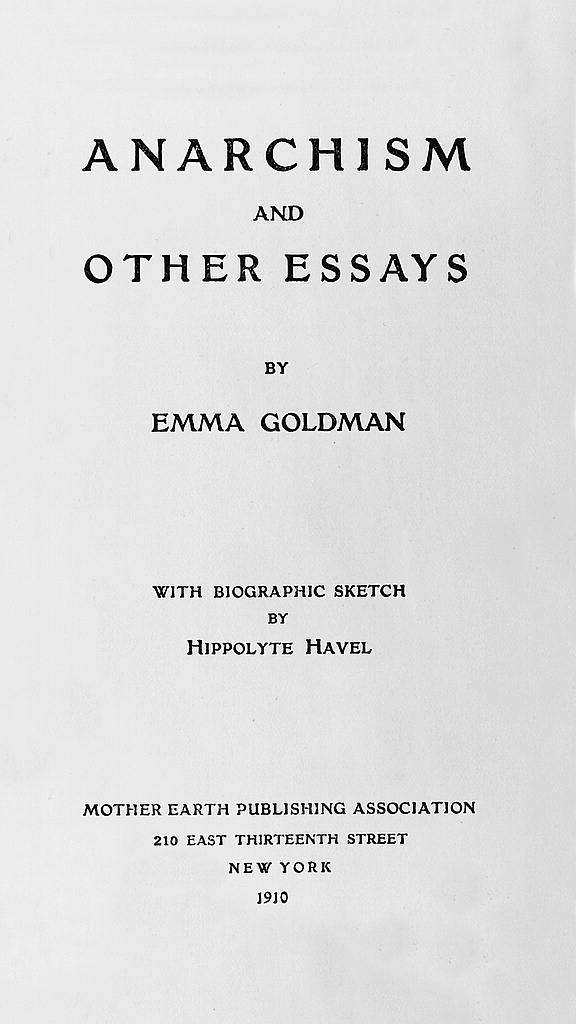
Anarchism and Other Essays - Emma Goldman
"Anarchism asserts the possibility of an organization without discipline, fear, or punishment, and without the pressure of poverty: a new social organism which will make an end to
登录后即可下载阅读
 Holmes.jpg)
Ancient Britain and the Invasions of Julius Caesar - T. Rice (Thomas Rice) Holmes
"Ancient Britain and the Invasions of Julius Caesar" by T. Rice Holmes is a historical account written in the early 20th century. This work delves into the prehistoric culture of B
登录后即可下载阅读
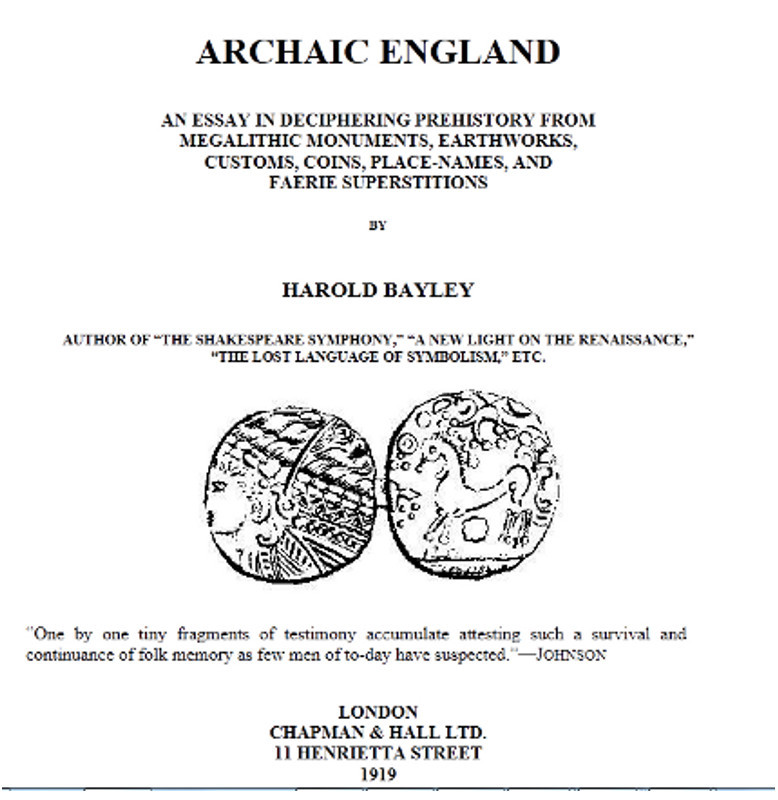
Archaic England $b an essay in deciphering prehistory from megalithic monuments, - Harold Bayley
Archaic England is Harold Bayley's speculative study of prehistoric Britain, attempting to decipher ancient megalithic monuments and exploring the symbolic meaning of pre-Roman Bri
登录后即可下载阅读
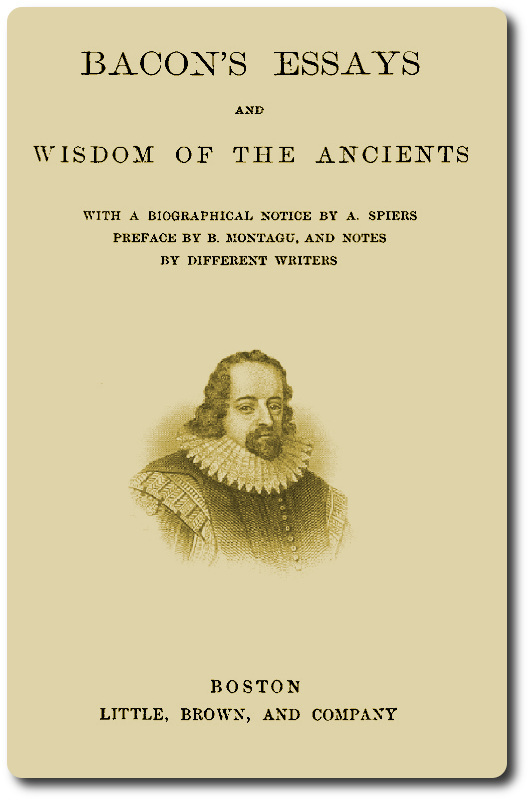
Bacon's Essays, and Wisdom of the Ancients - Francis Bacon
"Bacon's Essays have attracted an eager readership since their publication in 1625. They sum up a lifetime's observations on the whole range of human activity, by one of the keenes
登录后即可下载阅读
Beyond Good and Evil - Friedrich Nietzsche
Beyond Good and Evil (1886) is one of Friedrich Nietzsche's most important philosophical works, subtitled 'Prelude to a Philosophy of the Future.' Nietzsche attacks past philosophe
登录后即可下载阅读
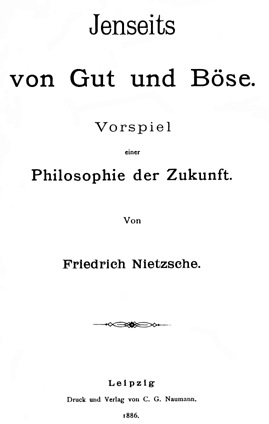
Beyond Good and Evil - Friedrich Wilhelm Nietzsche
Beyond Good and Evil: Prelude to a Philosophy of the Future is a book by philosopher Friedrich Nietzsche that covers ideas in his previous work Thus Spoke Zarathustra but with a mo
登录后即可下载阅读
Bible Myths and their Parallels in other Religions Being a Comparison of the Old - T. W. (Thomas Wil
Bible Myths and their Parallels in Other Religions by T.W. Doane is a comparative religious study examining similarities between Biblical stories and earlier mythological narrative
登录后即可下载阅读
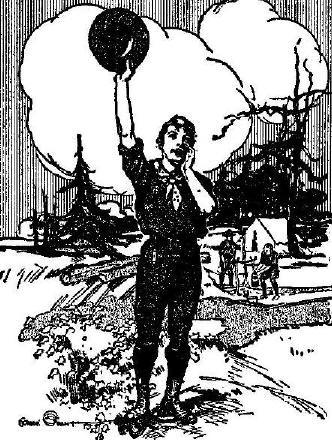
Boy Scouts Handbook The First Edition, 1911 - Boy Scouts of America
The Boy Scouts Handbook (1911) is the first official handbook of the Boy Scouts of America, featuring contributions from Ernest Thompson Seton, Daniel Carter Beard, and Theodore Ro
登录后即可下载阅读

Cicero's Tusculan Disputations Also, Treatises On The Nature Of The Gods, And On - Marcus Tullius Ci
Cicero's Tusculan Disputations presents the great Roman orator and philosopher's dialogues on the nature of the gods, death, grief, and the pursuit of wisdom, cornerstone works of
登录后即可下载阅读